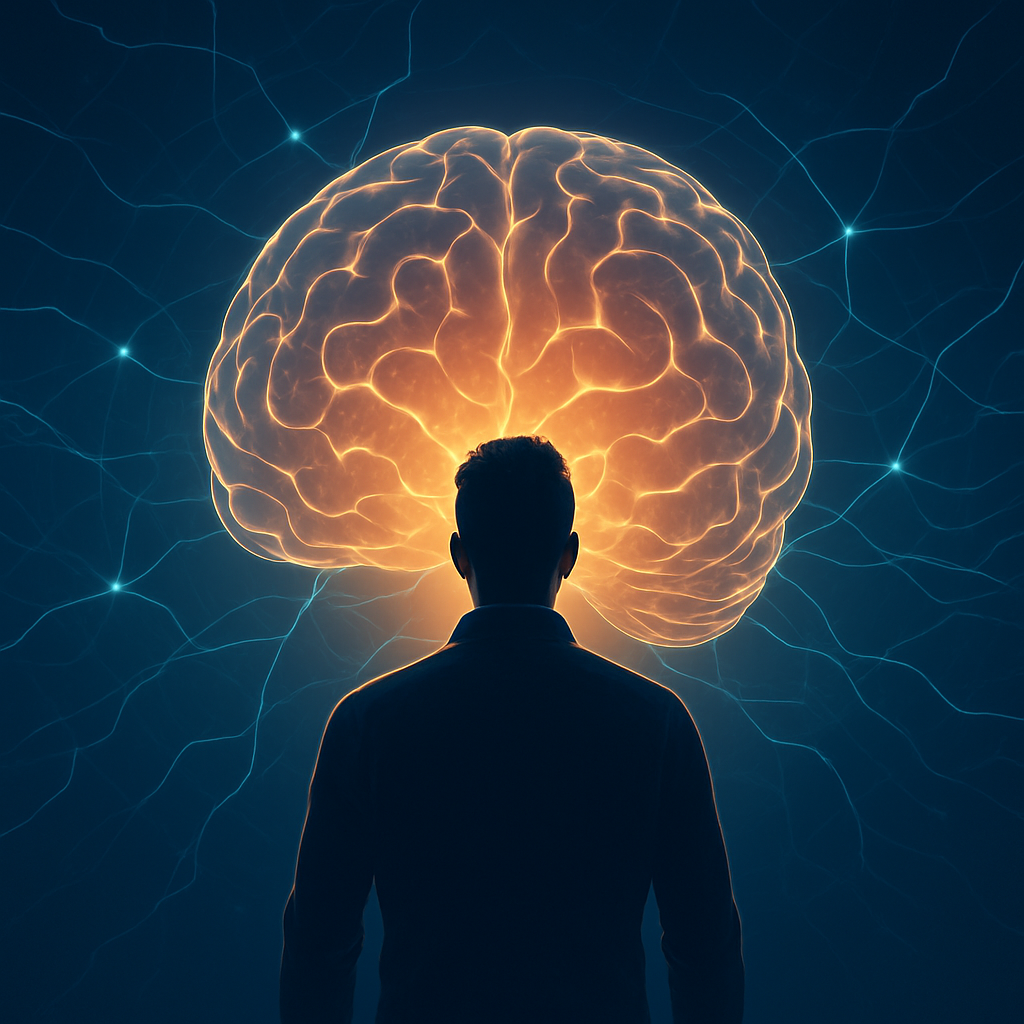

Many people are taught to fear or hide their mental health diagnosis, but what if the key to freedom is embracing it? Owning your madness through neuroscience empowerment means understanding that mental illness is not a personal failing, but a result of unique brain chemistry shaped by genetics, life experiences, and biology.
Advances in neuroscience reveal how neurotransmitters like dopamine, serotonin, and brain-derived neurotrophic factor (BDNF) influence mood and behavior. And how neuroplasticity gives us the power to rewire our brains.
When we view mental illness through this lens, shame gives way to self-awareness, and “owning” your diagnosis becomes an act of strength, not surrender. Science confirms that validating a diagnosis reduces stigma and encourages proactive management of symptoms (Kyzar et al., 2024), creating a pathway toward recovery grounded in both self-compassion and evidence-based care.
Let’s Talk About “Madness” and Mental Health Stigma
When Shinedown’s The Sound of Madness came out in 2008, it hit more than just airwaves; it hit nerves. The lyrics aren’t about insanity in a dramatic, villainous sense. They’re about the raw reality of mental illness: the storm of thoughts, emotions, and biology that people often carry alone.
As a mental health nurse, I’ve seen these storms up close. And I’ve spent years helping people understand something life-changing:
You’re not broken. You’re wired differently, and that wiring can be understood.
Mental Illness Is a Brain-Based Condition: What Neuroscience Tells Us
Despite stigma, the neuroscience is clear: mental illness is not weakness, laziness, or bad character. It’s the result of measurable, biological differences in brain function that can involve:
- Neurotransmitters like dopamine, serotonin, and norepinephrine regulate mood, attention, energy, and perception. Disruptions here are implicated in depression, anxiety, ADHD, and more.
- Neuroplasticity, the brain’s ability to adapt and rewire. Many psychiatric medications, talk therapies, and mindfulness practices work by encouraging healthier wiring patterns over time.
- Neuroinflammation, where chronic stress activates immune cells in the brain (microglia), contributing to depression, PTSD, and other disorders.
When people begin to see that their symptoms arise from real, identifiable processes, not personal failures, something shifts. Shame loosens its grip.
“Owning It” Isn’t Giving In, It’s Taking Back Control
In my work with patients, I often said: “Own your diagnosis, not like it defines you, but like it belongs to you, and not to your critics.”
This isn’t about wearing your label like a badge. It’s about saying:
- I don’t need to apologize for having a brain that functions differently.
- I can learn the warning signs of a mood spiral (APA, 2023).
- I can recognize patterns in my thinking and develop strategies that work with my biology, not against it.
Owning your diagnosis is how healing begins. When people stop fighting their reality and start understanding it, they regain agency. This is not a surrender, it’s a strategy.
What Depression, Anxiety, and Trauma Look Like in the Brain
Let’s break it down with a few examples:
- Depression: fMRI scans show decreased activity in the prefrontal cortex (decision-making, motivation) and overactivity in the amygdala (fear processing). These changes explain the fog, fear, and fatigue, not just sadness.
- Anxiety: Overactivity in the default mode network causes constant self-focused worry. Therapy and SSRIs can help calm these circuits.
- PTSD: Trauma can shrink the hippocampus (memory processing), but neuroplasticity allows it to recover with treatment and time.
Understanding this isn’t just fascinating, it’s empowering. It replaces self-blame with a clear, evidence-based map of what’s happening.
From Shinedown to Science: Changing the Mental Health Narrative
When Brent Smith sings, “I created the sound of madness, wrote the book on pain,” he’s not glorifying suffering; he’s reclaiming it.
That’s exactly what we need in mental health care: narratives that validate pain while pointing to healing.
- The music helps people feel seen.
- Neuroscience helps them understand.
Together, they bridge the gap from silence to expression, from shame to ownership.
“We don’t want people to feel ashamed about what they’re going through. You’re not going to be defined by your failures. You’re going to be defined by the fact that you didn’t give up.”
Popdust interview with Brent Smith (Lead singer of Shinedown)
—Brent Smith
Final Thought: You Don’t Need to Be “Normal” You Need to Be Understood
Let’s redefine “madness.” Stop using it as a slur and start seeing it as a clue that leads inward, to the biology of our emotions, the map of our memories, and the possibility of healing.
Mental illness is not a sentence. It’s a system. And systems can be understood, improved, and navigated with science, support, and compassion.
References for Further Reading
- APA: What Is Mental Illness?
- Neuroplasticity and Mental Health
- Brain-Derived Neurotrophic Factor in Psychiatric Disorders
- Inflammation and Psychiatric Disorders
- Reducing Stigma Through Neuroscience Education