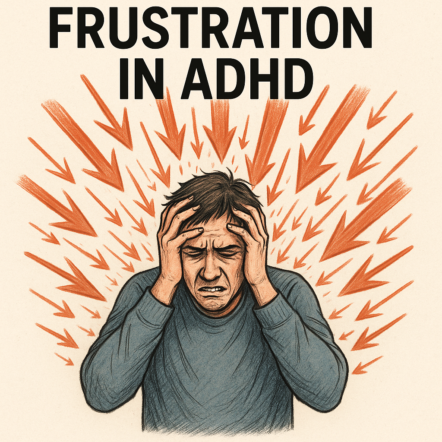

When people think of ADHD, they often picture distractibility, restlessness, or impulsive decisions. But there’s another part of the experience that’s just as powerful and often overlooked: frustration in ADHD. Frustration is more than a fleeting irritation; it’s a deep, recurring feeling that can shape how someone with ADHD views themselves, their abilities, and their future. If left unaddressed, this frustration compounds stress, increases feelings of failure, and can lead to depression and hopelessness.
What Is Frustration?
At its core, frustration is the emotional response to being blocked from reaching a goal. It’s that uncomfortable mix of irritation, disappointment, and anger when you try hard, but things don’t turn out the way you expected. Everyone feels frustrated from time to time, but for people with ADHD, this emotion is not just occasional; it’s a constant presence.
Because ADHD affects attention, memory, and executive functioning, tasks that seem simple for others can repeatedly end in mistakes, missed details, or incomplete projects. Over time, this cycle creates layers of frustration that feel suffocating.
Why Frustration Is So Common in ADHD
Frustration in ADHD doesn’t come from “laziness” or “lack of effort.” Neuroscience tells a different story.
The prefrontal cortex, the part of the brain that helps with planning, attention, and self-control, works differently in ADHD. It doesn’t regulate focus and impulse as consistently, which makes everyday tasks harder to complete. When repeated efforts don’t match up with expectations, frustration naturally builds.
Meanwhile, the amygdala (the brain’s emotional alarm center) and the stress system, the hypothalamic-pituitary-adrenal (HPA) axis, get activated with every setback. Studies show that when stressors pile up without relief, the body enters a state called allostatic load, or “wear and tear” from chronic stress. This isn’t just a mood issue; it’s a real physiological strain on the brain and body.
When Frustration Turns Toxic
Occasional frustration can be motivating. But in ADHD, frustration is often constant and cumulative. Every forgotten assignment, late bill, or misplaced phone becomes another “proof” of inadequacy. The repeated thought of “Why do I keep screwing up?” slowly chips away at self-esteem.
This cycle can be debilitating. Research on chronic stress and mood disorders shows that repeated frustration and stress responses can lead to neuroinflammation and disrupted neurotransmitter activity, both of which are linked to depression. When ADHD is untreated or under-treated, this cycle can intensify, leaving the individual vulnerable to hopelessness and emotional burnout.
The Connection Between Frustration and Depression
Why does frustration in ADHD so often lead to depression? The answer lies in the brain’s stress systems. Chronic stress can dysregulate cortisol (the body’s stress hormone), impair serotonin function, and decrease brain plasticity in areas like the hippocampus and prefrontal cortex. These changes make it harder to regulate mood, bounce back from challenges, or see progress.
It’s not just “being upset.” Frustration becomes a risk factor for more serious mental health conditions when it is constant, unrelieved, and paired with untreated ADHD symptoms.
Breaking the Cycle: Why Treatment Matters
The encouraging news is that frustration in ADHD is not inevitable. With effective treatment, the cycle can be interrupted.
- Medication: Stimulant medications help normalize dopamine and norepinephrine signaling in the prefrontal cortex, improving attention and impulse control. This reduces the frequency of mistakes that fuel frustration and connects to challenges like ADHD stimulant rebound.
- Therapy: Cognitive-behavioral therapy (CBT) and ADHD coaching give people practical tools to manage challenges and reframe setbacks.
- Lifestyle supports: Nutrition, exercise, and mindfulness practices all support brain resilience by lowering inflammation, improving neurotransmitter balance, and strengthening neuroplasticity.
When treatment is combined with compassion and education, people with ADHD can stop seeing themselves as “screw-ups” and start seeing themselves as individuals navigating real, brain-based challenges.
Reframing Frustration
It helps to think of frustration as emotional scar tissue. Each setback leaves a mark. Over time, those marks build up and weigh a person down. But scar tissue can be softened. With the right combination of treatment, skills, and support, frustration can transform from a constant burden into a signal, a reminder to pause, reset, and approach the challenge differently.
For more perspective on stigma, see Trust in Mental Health Science: Why Questioning Research Shouldn’t Mean Rejecting It, and for an empowerment approach, read Owning Your Madness: Why Taking Charge of Your Mental Health Is a Strength.
Key Takeaways
- Frustration in ADHD is more than annoyance; it’s a repeated emotional injury that builds over time.
- Neuroscience shows frustration has real biological effects, activating stress pathways and increasing the risk of depression.
- Proper treatment, medication, therapy, and lifestyle changes can break the cycle and lighten the emotional load.
- Reframing frustration helps people with ADHD recognize it as part of the condition, not a personal failing.