
Let’s Clear Something Up About ADHD
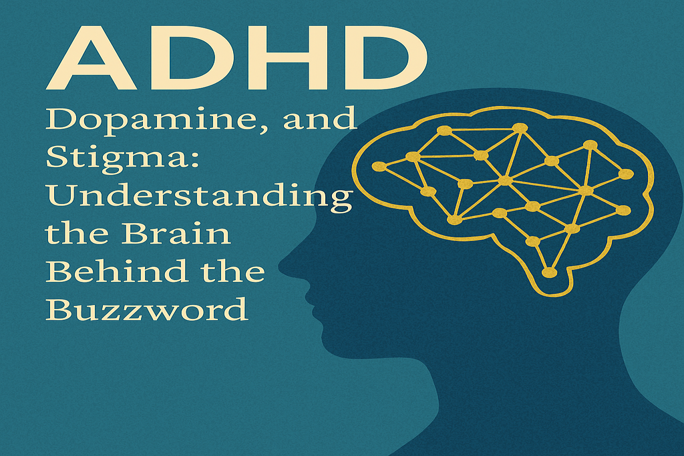
ADHD is more than a trendy label; it’s a neurodevelopmental condition with deep roots in brain chemistry, especially dopamine. In this post, we’ll explore ADHD and dopamine explained in plain language, dive into what’s really happening in the brain, and address how misunderstanding this connection fuels stigma. Whether you live with ADHD, love someone who does, or are just curious, this post offers clarity backed by science.
The Role of Dopamine (AKA the Motivation Chemical)
At the heart of ADHD is a substance in the brain called dopamine. Dopamine is one of the brain’s feel-good messengers. It helps with things like:
- Focusing
- Planning ahead
- Feeling rewarded when you get things done
People with ADHD don’t make or use dopamine the same way as people without it. Their brains often don’t get that little jolt of reward from finishing tasks or staying focused. That’s not a choice, it’s biology.
This is why stimulant medications like Adderall and Ritalin help so many people. They increase the amount of dopamine available in the brain, helping people feel more alert, motivated, and able to stick with tasks (ACAMH, 2024).
What Brain Scans Show
Neuroscientists have looked at over 90 brain imaging studies to compare brains with and without ADHD. Here’s what they found:
- The part of the brain that controls attention and decision-making (prefrontal cortex) is often smaller or less active.
- The basal ganglia, which help regulate movement and motivation, also look and work differently.
- Signals in the brain move along slower or weaker paths, making it harder to filter out distractions or hit the brakes on impulses (Nature Reviews, 2024).
That’s a lot of technical language, but the point is this: ADHD shows up on brain scans. It’s a neurological condition, not a matter of personality.
But What About All the People “Self-Diagnosing”?
There’s no denying that ADHD is being talked about more. TikTok, podcasts, and mental health blogs have opened up the conversation, and that’s a good thing. But the downside is that people sometimes dismiss real diagnoses as trendy or made up.
In The Times, a college student with ADHD said:
“When I say I have ADHD, people roll their eyes… like I jumped on some TikTok trend.”
(The Times, 2024)
That’s stigma. And it’s exactly what we need to break down.
Why the Stigma Hurts
When we act like ADHD is just an excuse or when we tell people they should “just try harder,” we’re doing real harm. Many people with ADHD already struggle with shame, low self-esteem, or feeling “not good enough.”
Understanding the brain science helps change the conversation. When we see ADHD as a difference in how the brain works (not a moral failure), we become more compassionate and open to helpful treatment.
What Helps?
There’s no “cure” for ADHD, but there are tools that work, especially when we understand the brain behind the behavior:
- Medication that helps boost dopamine and focus
- Therapy that teaches strategies for organization and emotional control
- Supportive environments at home, school, and work that reduce distractions
- Neurodiversity education, which helps us see that different brains aren’t broken, they’re just different
Final Thoughts: Understanding Reduces Judgment
At Nurse Dave’s Corner, we believe in calm, respectful, science-backed education. ADHD isn’t a buzzword. It’s a brain-based condition, and when we understand that, we open the door to real support and healing.
Whether you live with ADHD, love someone who does, or are just trying to understand what’s real and what’s hype