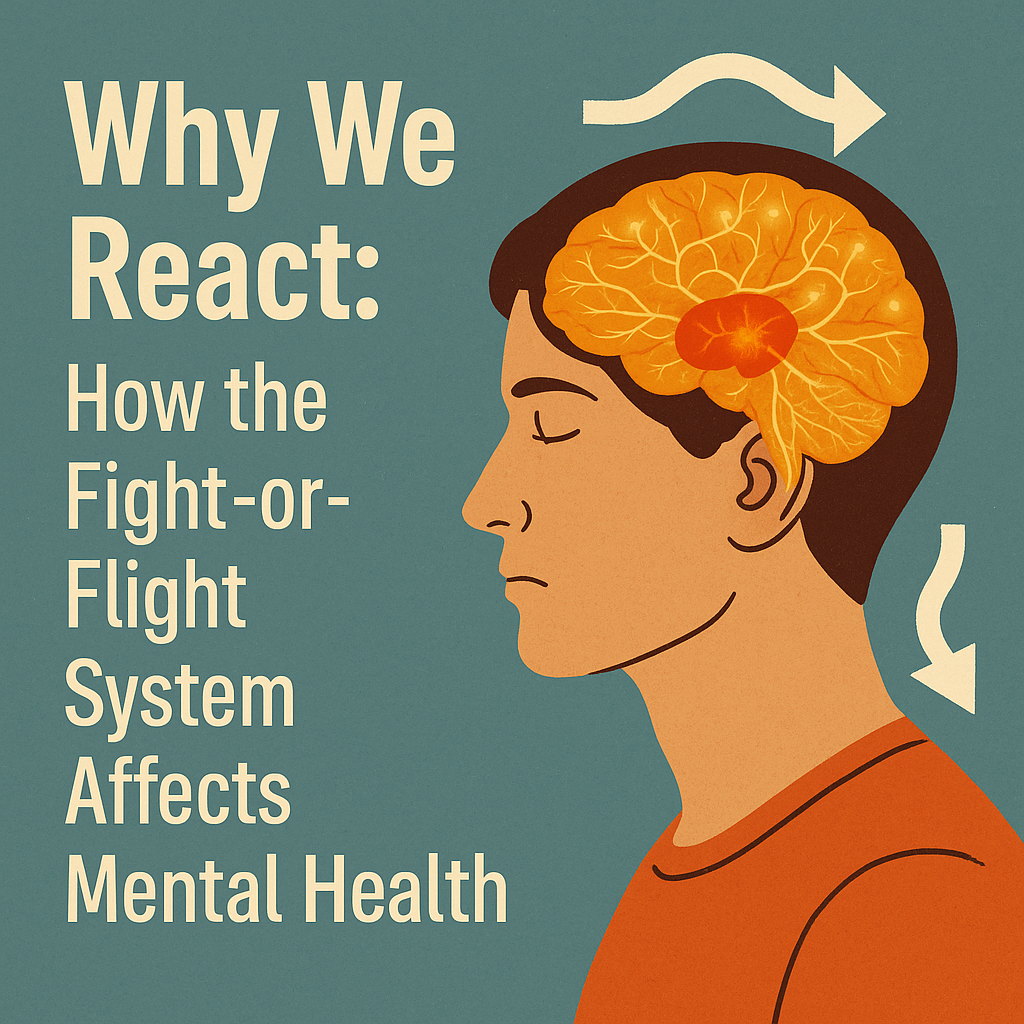

We all know what stress feels like: a racing heart before a big presentation, a tight stomach during an argument, or a restless night before an exam. Short bursts of stress are part of life and, in fact, can help us rise to challenges. But what happens when stress doesn’t let up?
That’s where the concept of allostatic load comes in. In neuroscience, allostatic load is the “wear and tear” that builds up in the brain and body when stress becomes chronic. Unlike a one-time stressful event, ongoing stress changes how our nervous system functions. Over time, it can affect memory, mood, immunity, and even increase the risk of mental illness.
Understanding allostatic load helps us move past the stigma that stress-related conditions are “just in your head.” Instead, it shows us that stress reshapes the brain in very real, biological ways.
From Balance to Overload: What Allostatic Load Means
To understand allostatic load, it helps to contrast two terms:
- Homeostasis is the body’s effort to maintain stability by staying the same (like body temperature).
- Allostasis is the process of achieving stability through change,adjusting heart rate, hormone levels, or behavior to handle stress.
In short, allostasis is the brain and body adapting to stress. Allostatic load is what happens when the system works overtime, without enough recovery. Think of it as constantly revving an engine; it eventually causes damage.
How Stress Affects the Brain
The brain plays quarterback for the stress response, relying on three key regions:
- Amygdala – the brain’s alarm system, triggering fear and vigilance.
- Hippocampus – responsible for memory and calming down the stress response.
- Prefrontal Cortex – helps with decision-making, planning, and regulating emotions.
When stress becomes chronic:
- The amygdala grows more reactive, making people feel constantly on edge.
- The hippocampus shrinks, leading to memory problems and difficulty shutting off stress.
- The prefrontal cortex weakens, reducing impulse control and logical decision-making.
In addition, the stress hormone cortisol, which is designed to help in short bursts, becomes harmful when elevated for weeks or months. High cortisol damages neurons and disrupts neurotransmitters like serotonin and dopamine, which are crucial for mood regulation.
Allostatic Load and Mental Health
This “wear and tear” doesn’t just stay in the brain; it influences mental health conditions:
- Depression: Linked to hippocampal shrinkage and lower levels of brain-derived neurotrophic factor (BDNF), a protein that supports brain plasticity.
- Anxiety Disorders: Overactivation of the amygdala leaves the brain in a constant state of threat detection.
- PTSD: The stress response becomes “stuck,” making it hard to return to baseline after reminders of trauma.
By connecting stress biology to mental illness, we see that these conditions are not a result of weakness or poor character. They are the result of measurable changes in brain circuits, a powerful counter to stigma.
Why Chronic Stress Matters for the Whole Body
Allostatic load doesn’t just affect the brain. Because the nervous system controls other organs, the impact spreads across the body:
- Cardiovascular system: Increased risk of hypertension and heart disease.
- Immune system: Chronic inflammation and greater vulnerability to illness.
- Metabolism: Insulin resistance, obesity, and diabetes risk rise.
This explains why mental health cannot be separated from physical health; they share the same stress-driven pathways.
Reducing Allostatic Load: Practical Steps
While we can’t eliminate stress, we can buffer its effects and lower allostatic load. Research shows:
- Sleep: Consistent, restful sleep restores brain circuits and balances cortisol.
- Exercise: Physical activity reduces stress hormones and boosts BDNF, protecting the brain.
- Nutrition: Anti-inflammatory foods like omega-3 fatty acids, leafy greens, and whole grains support brain resilience.
- Mindfulness and Breathing: Practices like meditation and slow breathing lower amygdala activity and strengthen the prefrontal cortex.
- Support Systems: Talking about stress with trusted people reduces its impact and chips away at stigma.
Breaking the Stigma
One of the most damaging misconceptions online is that people should simply “toughen up” or “snap out of it.” Neuroscience tells a different story. Allostatic load shows us that chronic stress physically reshapes the brain, making it harder, not easier, for someone to bounce back without support.
When we understand stress as a brain-body process, we shift from blame to compassion. Mental illness becomes less about weakness and more about biology. That’s how we begin to rewire stigma.
Conclusion
Allostatic load is a powerful concept because it bridges everyday experience and neuroscience. It explains why chronic stress feels so overwhelming, why it affects both mental and physical health, and why stigma is misplaced.
By learning how stress reshapes the brain, we not only protect our own health but also learn to meet others with empathy instead of judgment.